
Visitor management system comparison

Brivo Visitor Management vs Sine by Honeywell

A side-by-side view of the directory’s published evidence and scoring metrics. The information is provided to support your evaluation; it does not declare a winner.

MetricBrivo Visitor ManagementSine by Honeywell
Recommended score91/10091/100
Ongoing free accessNot publishedNot published
Regional hostingNot publishedNot published
Mobile platform coverageNot publishedNot published
Flexible, modular pricingNot publishedNot published
Customer review sentiment4.5/5 from 138 published reviews4.1/5 from 410 published reviews
Published evidence24 vendor pages analysed23 vendor pages analysed
Best forOrganizations managing visitors across one or more locations, Security and facilities teams replacing paper sign-in processes, Enterprises needing auditable visitor records and temporary access controls, Workplaces requiring preregistration, host notifications, and emergency musteringWorkplaces managing visitor, contractor and staff access, Multi-site organisations requiring contractor compliance and permit controls, Facilities needing digital check-in, occupancy visibility and emergency roll calls, Organisations connecting visitor management with access control, directories or messaging tools
Pricing informationPricing depends on the number of locations, visitor volume, or integration needs. Brivo directs buyers to book a demo.The plans page lists Small, Medium, Large and Enterprise tiers. Sine Workflows is an add-on requiring a Core plan. Access control is a paid add-on. Enterprise packaging is tailored for organisations onboarding 20 or more buildings. Additional integration products or charges may be required.

Brivo Visitor Management, powered by Envoy, is an enterprise visitor management system within the Brivo Security Suite. It helps organizations preregister guests, guide visitors through kiosk-based check-in, collect screening responses and agreements, notify hosts, and issue badges or temporary credentials. Temporary badges, PINs, and mobile access can expire on schedule. Security teams can search visitor records, screen against internal watchlists and restricted registries, verify identification, connect check-ins with video, and use access events for context. Real-time mustering lists support emergency evacuation roll calls. The platform provides configurable data retention, role-based permissions, audit logs, reporting, and exportable records. It integrates visitor activity with Brivo access control, video, intrusion systems, intercoms, workplace workflows, and identity systems. Brivo describes the platform as cloud-native and states that visitor data is stored in an encrypted environment supported by SOC 2 Type II and ISO/IEC 27001 certifications. Pricing is not publicly listed; a demo is required.

View full profile
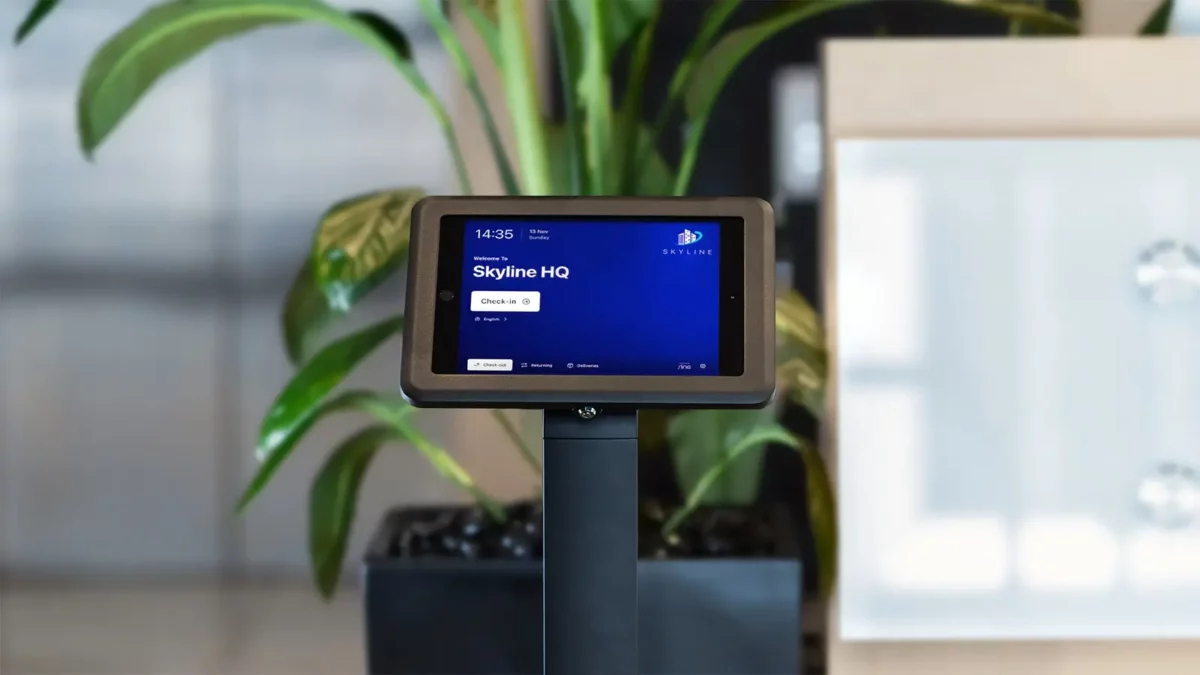
Sine by Honeywell is a visitor, contractor and staff management platform for controlling movement through buildings. It provides digital visitor check-in on iPad, visitor pre-registration, custom entry flows, contactless QR check-in, geofence-based check-in and check-out, host notifications and customizable badge printing. Contractor capabilities include mobile inductions, vendor document management, compliance verification, certifications, permit management and multi-stage approvals across multiple sites. Compliance tools include check-in forms, expiry safeguards, watchlists, audit trails, inspections and digital emergency roll calls. Sine also offers access-control connections, directory synchronization, messaging integrations, public API access on the Large plan and optional access-control functionality. Sine Core includes a 30-day free trial. The public plans page lists Small, Medium, Large and Enterprise tiers but does not publish plan prices. Sine provides iPad, iOS and Android applications, web access and around-the-clock support.

View full profile

How to use this comparison

Metrics are calculated consistently from public vendor information, verified review sources and crawler evidence. Data availability varies by vendor, so consider your own security, operational, regional and budget requirements before deciding which system fits.