
Visitor management system comparison

Fidentity vs Vizenta Visitor

A side-by-side view of the directory’s published evidence and scoring metrics. The information is provided to support your evaluation; it does not declare a winner.

AI comparison summary

What is different?

Vizenta Visitor and Fidentity both offer touchless visitor check-in, host notifications, and digital visitor passes, but Vizenta emphasizes use of existing CCTV cameras for touchless check-in and lists broader industry coverage (six sectors including schools, manufacturing, and government), while Fidentity highlights mobile/QR registration, facial recognition, e-badges, multisite and event management, and provides explicit lower per-user pricing tiers ($9.99, $39.99) compared with Vizenta’s repeated $3,000 pricing

MetricFidentityVizenta Visitor
Recommended score83/10084/100
Customer review sentimentNo verified review scoreNo verified review score
Published evidenceNo crawled profile yetNo crawled profile yet
Best forEnterprise, Compliance, WorkplaceSchools, Enterprise, Compliance, Workplace, Manufacturing, Government
Pricing informationPricing mentions $9.99, $39.99Pricing mentions $3,000, $3,000, $3,000

Fidentity

fidentity.com

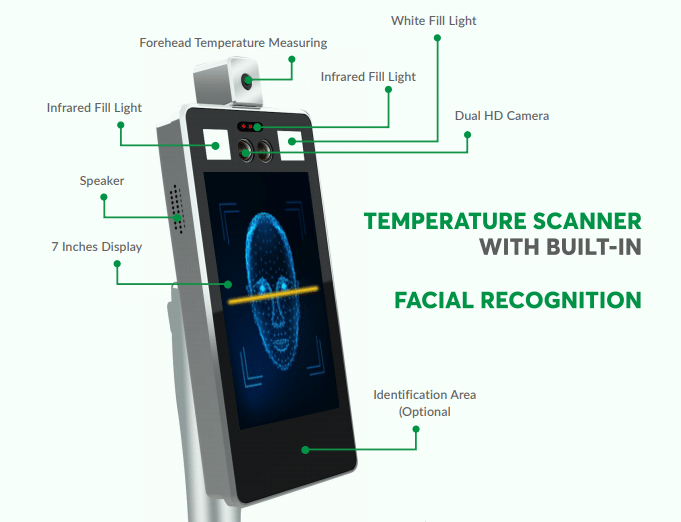
Fidentity is a cloud-based visitor, employee, delivery, and event management platform that provides touchless workplace check-in, mobile and QR-code registration, facial recognition, e-badges, visitor photo capture, host notifications, emergency notifications, reporting, multisite management, and integrations.

View full profile

Vizenta Visitor

vizenta.ai

AI-powered visitor management software that uses existing CCTV cameras for touchless visitor check-in, pre-registration, host notifications, digital visitor passes, contractor and delivery logging, watchlist screening, and searchable visit records.

View full profile

How to use this comparison

Metrics are calculated consistently from public vendor information, verified review sources and crawler evidence. Data availability varies by vendor, so consider your own security, operational, regional and budget requirements before deciding which system fits.